Which size dumpsters to invest in, whether adding an umbrella insurance policy makes sense, and choosing between a hooklift or cable hoist system are all major decisions a dumpster rental business owner will eventually have to make, and each will have a lasting impact on their operations and profitability.
But one factor that’s often overlooked, yet quietly affects every dumpster rental business, is weather.
Weatherproofing your dumpsters in a few easy steps can make a big difference in keeping your cans in good condition, lowering disposal costs, and improving customer satisfaction. In this article, we’ll cover how weather impacts your operation, the most common problems caused by the elements, and practical ways to protect your containers year-round.
TL;DR Summary
- Weather adds weight, increases disposal fees, and speeds up rust and wear.
- Keep lids closed, ensure drainage, and clear snow/ice to prevent damage.
- Repaint chipped areas and use non-corrosive de-icers to extend dumpster lifespan.
- Store dumpsters on level, shaded ground to reduce corrosion and sun fade.
- Tracking condition and inventory with DRS helps protect your fleet year-round.
Why Weatherproofing Your Dumpsters Is Essential for Dumpster Rental Businesses
Weatherproofing might sound like a small maintenance detail, but it can have a real financial impact on your dumpster business. Rain and snow don’t just create a mess — they add weight, wear, and extra costs over time. Even ordinary, seasonal changes in weather can quietly affect your disposal fees, your customer experience, and the lifespan of your equipment.
Because dumpsters are made of steel, it’s easy to assume they can handle anything the elements throw at them. But even the toughest containers eventually rust, corrode, or weaken when exposed to water, salt, and constant sunlight. Over time, that damage adds up — leading to leaks, failing doors, and expensive replacements.
And while operators often focus on maintaining their trucks, tires, and lift systems, dumpsters deserve the same attention. They’re a core part of your service and a major investment in your business. Cutting corners on maintenance here only leads to higher repair costs and shorter equipment lifespans later on. This is why ignoring dumpster maintenance is one of top mistakes you can make while running your business.
Check out our complete guide to Starting a Dumpster Rental Business covering costs, storage, compliance, and marketing tips.
Water Weight Can Raise Your Overhead
Every dumpster that sits open during a storm is collecting more than just rainwater — it’s collecting added expense. Water weight directly drives up disposal costs because most landfills and transfer stations charge by the ton. A few inches of standing water in a 15-yard dumpster can add hundreds of pounds to a load, turning a routine haul into an overage fee. Over a busy season, that extra weight adds up fast. By keeping containers sealed and drained properly, you can avoid unnecessary charges and protect your margins.
Protecting Your Equipment Investment
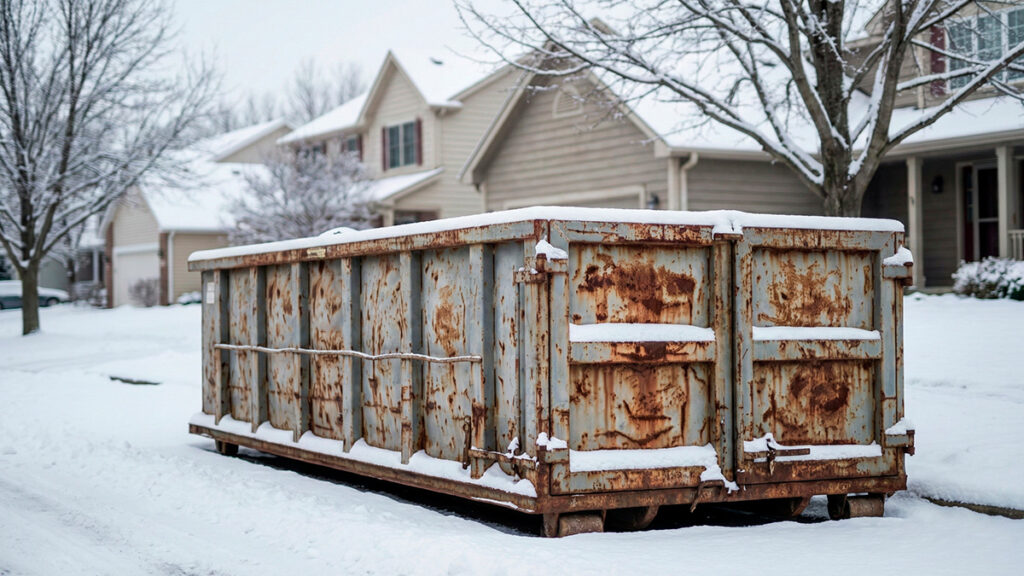
Dumpsters are one of the largest capital expenses for any rental operator. Unless weatherproofing precautions are taken, exposure to rain, snow, and sunlight can shorten their usable life. Rust and corrosion start in corners and under chipped paint, slowly spreading until a container needs repair or replacement. Lids and hinges can weaken and fail when exposed to moisture and wide temperature shifts. Weatherproofing — through rust-resistant coatings, regular repainting, or proper storage — helps extend the lifespan of your fleet and preserves the look of your brand in the field.
Weather-Related Problems and How to Prevent Them
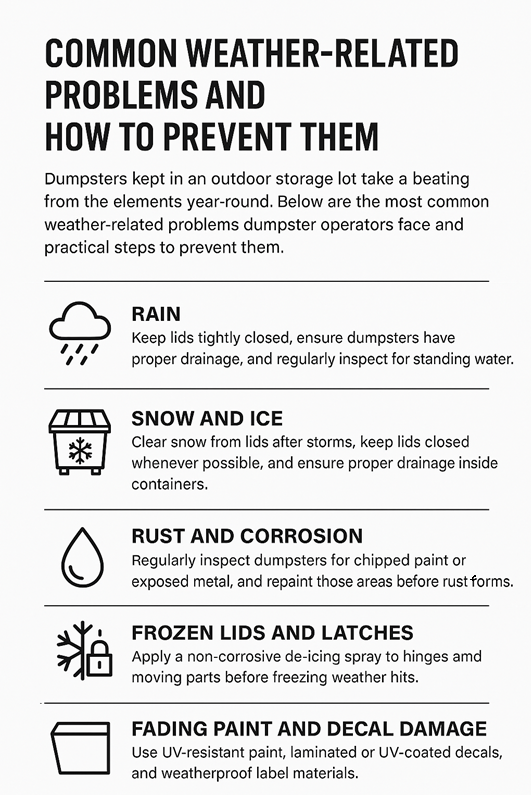
Dumpsters kept in an outdoor storage lot take a beating from the elements year-round — whether they’re being rented or not. Without taking the proper precautions, common weather-related issues can lead to extra maintenance costs, customer dissatisfaction, and a shorter equipment lifespan. Below are the most common weather-related problems dumpster operators face and practical steps to prevent them:
Rain
Rain occurs in every state year-round, so no matter where your dumpster business operates you should be preparing for it. The most practical concern is costs, as heavy rain can fill containers and add weight that will inflate your disposal fees.
Additionally, certain types of debris break down when saturated, which can make disposal more difficult, create additional clean-up work, and can even serve as a breeding ground for pests like mosquitoes.
Clean, well-maintained dumpsters show customers you take pride in your service. Because rain can increase your overhead and leave unwanted messes behind, preparing for wet weather is important for your dumpster rental business.
How to prevent rain-related issues: Keep lids tightly closed, ensure your dumpsters have proper drainage, and regularly inspect for standing water. Adding lid locks or improved gasket seals can also help prevent water from leaking in during heavy storms.
Snow and Ice
Snow and ice create many of the same moisture problems as rain, but they also introduce several cold-weather challenges that affect dumpster performance. As snow melts and refreezes inside the container, it can create slippery surfaces that make disposing of waste more difficult and potentially dangerous.
Frozen debris is another concern. When trash becomes packed in snow or frozen solid, it adds extra weight and can complicate disposal. Ice buildup along the rim can also prevent dumpsters from sealing properly, allowing additional moisture and snow to enter.
Winter storms can also lead to heavy snow accumulation on top of the dumpster. Over time, this added weight can warp lids, stress hinges, and contribute to long-term wear. Snow that melts during the day and refreezes at night creates repeated freeze–thaw cycles that accelerate rust formation.
How to prevent snow and ice issues: Clear snow from lids after storms, keep lids closed whenever possible, and ensure proper drainage inside containers. Avoid letting snow accumulate inside open-top dumpsters, and consider using insulated lid covers or improved seals in particularly harsh winter regions. These small steps can significantly reduce freeze–thaw damage and extend the lifespan of your containers.
Rust and Corrosion
Moisture from rain, snow, or even morning dew can gradually eat away at a dumpster’s metal surfaces. Once the paint or coating chips, rust starts forming and spreads quickly, weakening the structure and shortening the container’s lifespan. Hinges, corners, and the underside of the dumpster are especially vulnerable.
Even if a weaker structure was not a concern, rusted dumpsters are unsightly and won’t look professional to current and potential customers.
How to prevent rust issues: Regularly inspect dumpsters for chipped paint or exposed metal, and repaint those areas before rust forms. Applying rust inhibitors, maintaining protective coatings, and keeping containers dry whenever possible will significantly slow corrosion and keep your dumpsters looking professional longer.
Frozen Lids and Latches
In cold climates, snow and freezing rain can cause lids, hinges, and latches to freeze shut. This is not just an inconvenience, but also increases the risk of damage when someone forces latches open. Repeated freezing and forcing can deform hinges or even break latch mechanisms.
Keep in mind that the core of your business is hauling tons of debris to landfills using the roads and highways in your service area. So faulty latches on your dumpsters should be a major concern.
In the past, some operators have used kerosene or other petroleum-based products to keep ice from forming. While this can reduce freezing temporarily, it also introduces slip hazards, fire risks, environmental concerns, and can create a poor customer experience. For those reasons, these methods are strongly discouraged in today’s dumpster rental industry.
Rock salt has also been a common method used during the winter months to prevent ice formation. But this method has a major drawback: salt accelerates rusting on exposed metal surfaces. So although it may help with icy conditions in the short-term, frequent salt exposure can speed up dumpster deterioration and replacement.
How to prevent frozen lid and latch issues: Apply a non-corrosive de-icing spray to hinges and moving parts before freezing weather hits. Use insulated or gasketed lids in regions with heavy winters, and instruct customers to keep lids closed whenever possible before storms.
Remove moisture whenever you can to prevent freeze–thaw cycles. Regular winter maintenance can keep dumpsters accessible, safe, and functional throughout the coldest months.
Fading Paint and Decal Damage
Dumpster rental businesses are somewhat unique in that their dumpsters serve as rolling billboards for the company. Clean, sharp branding projects professionalism, helps customers remember your business, and can even attract new clients when dumpsters are placed in high-visibility areas. Because of this, weather-related wear doesn’t just affect maintenance—it also impacts marketing.
Sun exposure, heat, and harsh weather gradually break down paint, decals, and safety labels. In warmer climates, constant UV exposure can cause colors to fade, vinyl decals to crack, and adhesives to weaken, even in the winter. Faded branding makes dumpsters look old and unmaintained, while peeling safety labels may create compliance issues if required warnings become unreadable. Over time, this deterioration hurts the professional appearance of your equipment and reduces the effectiveness of your baked-in advertising. You paid a good amount of money to brand your dumpsters, so it only makes sense to spend a little more to protect that investment.
How to prevent sun-damage issues: Use UV-resistant paint, laminated or UV-coated decals, and weatherproof label materials designed for outdoor exposure. Regularly inspect dumpsters for fading or peeling graphics, and replace worn decals before they become unreadable. Parking dumpsters in shaded areas when possible and applying protective coatings can further slow sun-related wear and keep your branding looking good year-round.
Off-Season Storage and Placement Strategies for Dumpsters
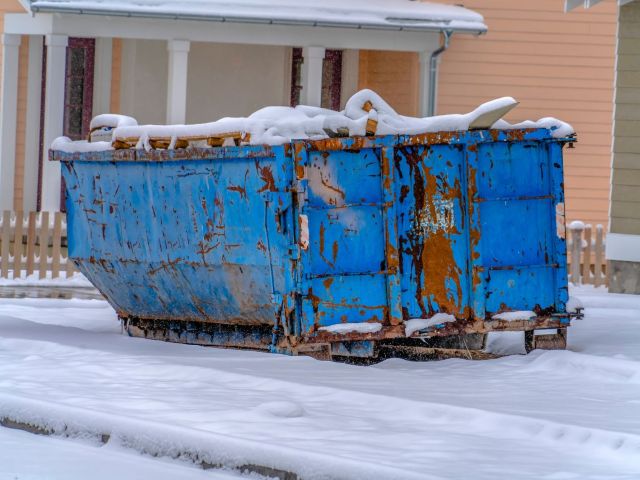
Even when your dumpsters aren’t out on job sites, they’re still exposed to the elements. Off-season storage, especially during winter months, plays a big role in preventing long-term damage and extending the life of your containers.
Proper placement and storage practices help reduce rust, prevent structural wear, and protect your branding from unnecessary sun exposure. Here are a few off-season storage guidelines to keep your dumpsters in good condition:
- Store dumpsters on level ground: Uneven surfaces allow water to collect in corners, speeding up the formation of rust. Keeping containers on level gravel, concrete, or pavement improves drainage and prevents moisture from collecting in isolated spots.
- Avoid storing dumpsters directly on soil: Moisture from the ground will transfer to the contact surface of your dumpster, accelerating corrosion. Storing your inventory on pads, blocks, or a gravel base will put a buffer between your dumpsters and the ground.
- Use shaded or sheltered areas when possible: Sun exposure fades paint and decals even when dumpsters aren’t being used. Storing in shaded areas or alongside buildings can reduce light exposure on your equipment.
- Keep lids closed and latched: Even off-season containers should have lids secured to keep out rain, snow, and debris. Keeping lids open allows moisture in, which leads to rust, staining, and freeze–thaw damage in winter.
- Inspect before peak season returns: Before rental season returns, check stored dumpsters for rust spots, loose decals, and faulty hardware. Off-season inspections make it easier to schedule repairs before containers get deployed.
Weatherproofing Checklist for Dumpster Rental Operators
Use this checklist to keep your dumpsters in great condition year-round:
- Drainage: Ensure drain holes are clear to remove any standing water.
- Watertight lids: Upgrade to gasketed or insulated lids.
- Rust protection: Repaint chipped areas and apply rust-resistant coatings regularly.
- Ice prep: Use non-corrosive, non-petroleum-based de-icing sprays on hardware and
remove snow before it refreezes. - Sun protection: Use UV-resistant paint and laminated decals to preserve branding.
- Off-season storage: Store dumpsters on level ground in shaded or sheltered areas when possible.
How Rental Software Can Help Make the Most of Your Dumpster Fleet
Weatherproofing your dumpsters isn’t just about avoiding extra tipping fees and preventing rust—it’s about protecting the key assets your business relies on. By staying ahead of rain, snow, ice, and sun damage, you extend the life of your containers, avoid unexpected repair costs, and maintain a professional appearance that customers value.
But staying on top of maintenance doesn’t happen on its own. It requires visibility into where your dumpsters are, how they’re being used, and what condition they’re in.
That’s where Dumpster Rental Systems simplifies things. DRS software helps dumpster rental operators streamline operations and prevent setbacks with features such as:
- Online booking
- Real-time inventory management
- Optimizing delivery routing
- Integrated payments
- Financial reporting
When you have the level of visibility into your business that DRS software provides, you always know where your dumpsters are, how they’re being stored, and when they need maintenance. That insight allows you to maximize your equipment investment year-round.
Ready to streamline routes, cut downtime, and get full visibility into your fleet? Schedule your DRS demo today.
Frequently Asked Questions
Will Ice and Snow Damage a Dumpster?
Yes, there are multiple ways ice and snow can damage a dumpster. The top concern is weight. When ice and snow collect on dumpster trash, they add extra weight, potentially damaging the dumpster itself. Another concern is moisture from melted snow and ice, especially with clogged drains, causing rust, corrosion, and warpage. Mildew and mold growth become an issue as well, not to mention frozen latches and lids.
Do You HAVE to Weatherproof Your Dumpsters?
No, you don’t HAVE to, but you’ll be sorry if you don’t. Wear from rain, snow, ice, sun, and cold weather, will shorten the life of your dumpsters, costing you money, and leaving you with the headache of extra repairs, cleanings, or even customer complaints if your dumpsters don’t hold-up to a job.
Should You Cover a Dumpster?
Absolutely. Covering your dumpster with a lid prevents access from animals and passerbys, exposure to rain, snow, and ice, and the potential for dumpster contents to spill out or be blown away by strong winds.